



Paper Printing Lamination
Our Products
Let’s Start Work
Together
Please feel free to contact us. We will get back to you with 1-2 business days. Or just call us now.

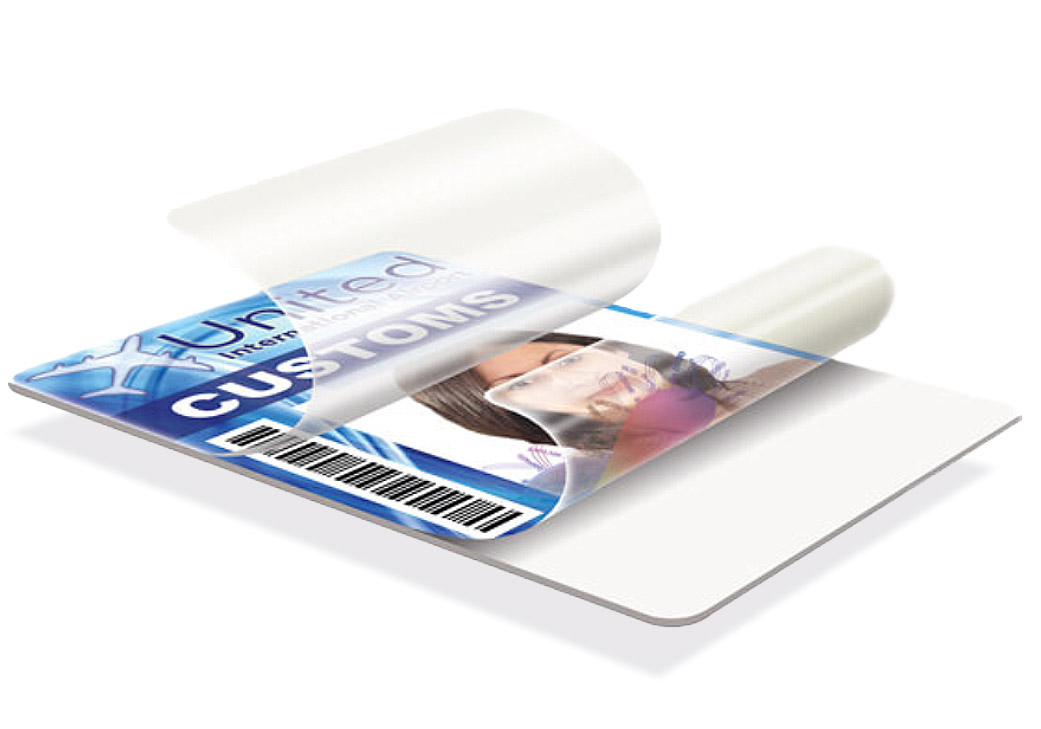
Paper Printing Lamination
Paper printing lamination is a process of applying a protective layer on printed paper to enhance its durability, appearance, and functionality. Here are some common applications of paper printing lamination:
Paper printing lamination is widely used for book covers to provide protection against wear, tear, and moisture. The lamination layer helps to preserve the print quality, extend the lifespan of the book cover, and make it more resistant to scratches and stains.
Lamination is often applied to brochures, flyers, and other promotional materials to enhance their visual appeal and durability. The lamination layer adds a glossy or matte finish to the printed surfaces, making them more attractive and professional-looking. It also protects the paper from smudging, fading, and damage due to handling.
Paper printing lamination is commonly used for posters and signage displayed indoors or outdoors. The lamination layer adds a protective barrier that makes the printed materials resistant to fading, water, and UV radiation. This helps to maintain the vibrant colors, readability, and longevity of the posters and signage.
Laminated menus and restaurant cards are popular in the foodservice industry. The lamination layer provides protection against spills, stains, and frequent handling, making them easier to clean and maintain. Laminated menus also have a professional appearance and are more durable, ensuring they can withstand repeated use.
Paper printing lamination is applied to educational materials such as flashcards, educational charts, and teaching aids. The lamination layer makes these materials more durable, resistant to tearing, and easier to clean. It also enhances the visual clarity of the printed content, improving readability and ensuring longevity.
Laminated ID cards and badges are commonly used for identification purposes in various settings, including schools, offices, and events. The lamination layer protects the cards from wear and tear, water damage, and fading due to exposure to light. It also adds a professional and polished appearance to the ID cards.
Lamination is used for packaging inserts and labels to enhance their durability and visual appeal. The lamination layer protects the printed information from smudging, moisture, and handling during product packaging and transportation. It also improves the overall quality and aesthetic appeal of the packaging inserts and labels.
Paper printing lamination is applied to maps, charts, and diagrams to make them more durable and resistant to damage. Laminated maps can withstand folding, unfolding, and frequent handling without tearing or losing legibility. The lamination layer also provides protection against moisture and enhances the colours and details of the printed maps and charts.
Lamination is used for art prints and photographs to protect them from fading, moisture, and damage. The lamination layer adds a protective barrier that preserves the colors, details, and longevity of the prints. It also provides a glossy or matte finish that enhances the appearance and overall presentation of the artwork and photographs.
Paper printing lamination is applied to greeting cards and invitations to make them more durable and resistant to damage. The lamination layer protects the cards from handling, spills, and creasing. It also adds a glossy or matte finish that enhances the visual appeal and quality of the printed designs.
These are some examples of the applications of paper printing lamination. The process offers protection, durability, and improved aesthetics to various printed materials, making them suitable for a wide range of industries and purposes.
Advantages of Printing Lamination
Paper printing lamination offers several advantages that make it a popular choice for enhancing the durability, appearance, and functionality of printed materials. Here are some key advantages of paper printing lamination:
Lamination provides a protective layer that enhances the durability of printed materials. It acts as a barrier against scratches, tears, stains, and moisture, thereby extending the lifespan of the printed items. Laminated materials are more resistant to wear and damage, making them suitable for frequent handling and longer-term use.
Lamination helps protect printed materials from fading due to exposure to light and UV radiation. The lamination layer acts as a shield, reducing the impact of harmful ultraviolet rays that can cause colours to fade and diminish over time. This advantage is particularly important for posters, signage, and other materials displayed in brightly lit areas or outdoors.
Lamination helps protect printed materials from fading due to exposure to light and UV radiation. The lamination layer acts as a shield, reducing the impact of harmful ultraviolet rays that can cause colours to fade and diminish over time. This advantage is particularly important for posters, signage, and other materials displayed in brightly lit areas or outdoors.
Laminated prints are more resistant to water and moisture damage compared to unprotected paper. The lamination layer prevents water and other liquids from seeping into the paper fibers, making the prints more durable and resistant to smudging, warping, or discoloration caused by moisture. This makes laminated materials suitable for use in environments where moisture exposure is likely.
Laminated prints are easier to clean and maintain. The smooth lamination layer makes it easier to wipe off dirt, fingerprints, and stains without damaging the underlying print. This advantage is particularly beneficial for laminated menus, educational materials, and other items that may be subjected to spills or frequent handling.
Lamination adds a glossy or matte finish to printed materials, enhancing their visual appeal. The lamination layer enhances the colors, contrasts, and details of the print, making it more vibrant and visually appealing. This advantage is especially important for promotional materials, packaging inserts, and art prints that require an attractive and professional appearance.
Lamination improves the tear resistance of printed materials, making them more robust and less prone to damage. The lamination layer adds strength and stability to the paper, reducing the risk of tears or rips that can occur during handling, transportation, or repeated use. This is particularly advantageous for materials such as ID cards, badges, and educational charts that require frequent handling and durability.
Lamination helps preserve the print quality of the original artwork or design. The lamination layer acts as a protective barrier, preventing ink from fading, smudging, or bleeding. This ensures that the printed materials maintain their original clarity, sharpness, and integrity over an extended period.
Some lamination films are designed to allow for write-on and erasability. This makes them suitable for applications such as educational materials, planners, and reusable forms. Users can write on the laminated surface with appropriate markers and easily erase the markings when needed, without damaging the underlying print.
Paper printing lamination can be applied to a wide range of printed materials, including book covers, brochures, posters, maps, and more. It is a versatile solution that can be used in various industries and applications, providing added value and protection to different types of printed items.
Lamination can be a cost-effective solution for extending the lifespan of printed materials. By protecting against damage and preserving the print quality, laminated items may require less frequent reprinting or replacement, resulting in cost savings over time.
These advantages make paper printing lamination a valuable option for enhancing the durability, appearance, and functionality of printed materials in various industries and applications.