



PVC Shrink Labels
Our Products
Let’s Start Work
Together
Please feel free to contact us. We will get back to you with 1-2 business days. Or just call us now.
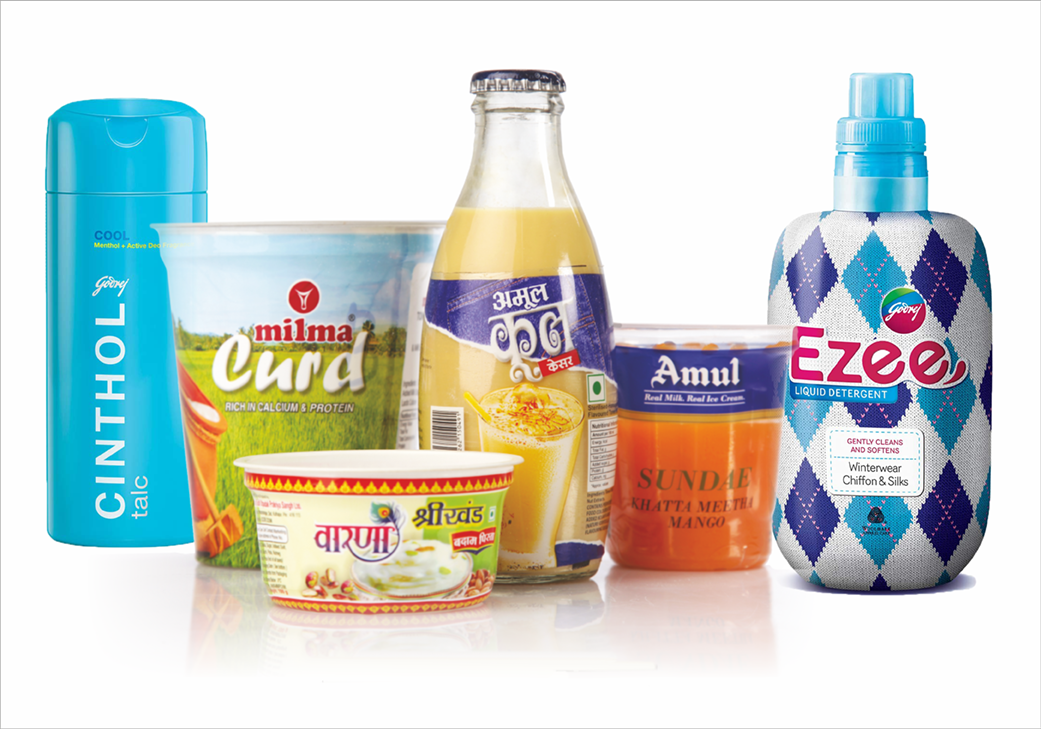


PVC Shrink Lables
PVC (Polyvinyl Chloride) shrink labels have various applications across different industries. Here are some common applications of PVC shrink labels:
Application of PVC Shrink Labels
PVC shrink labels provide complete 360-degree coverage of the container or product. When heat is applied, the label conforms tightly to the shape of the container, creating a seamless and visually appealing label that maximizes branding opportunities.
PVC shrink labels offer excellent print quality, allowing for vibrant and detailed graphics, text, and logos. The labels can be printed with high-resolution designs that enhance product visibility and attract consumer attention.
PVC shrink labels are highly durable and resistant to tearing, scratching, and moisture. The PVC material provides a protective layer that helps to preserve the label's appearance and integrity, even in demanding environments or during transportation and storage.
PVC shrink labels provide a tamper-evident seal for products. Once applied and shrunk, the label conforms tightly to the container, making it evident if the package has been opened or tampered with. This enhances product security and consumer trust.
PVC shrink labels act as a protective barrier for the underlying packaging material, such as bottles or containers. They shield the surface from scratches, scuffs, and other physical damage, ensuring that the packaging remains intact and visually appealing.
PVC shrink labels offer ample space for branding, allowing companies to display their logos, product information, and promotional messages effectively. The labels provide a visually attractive and professional appearance that helps to strengthen brand recognition and consumer loyalty.
PVC shrink labels are flexible and conformable to various container shapes and sizes. They can be used on a wide range of packaging formats, including bottles, jars, cans, and tubes, offering versatility and adaptability for different products and industries.
PVC shrink labels are generally cost-effective compared to other labeling options. The material is affordable, and the production processes for printing and shrinking the labels are efficient, making them a cost-efficient choice for labeling applications.
PVC shrink labels can be recycled, contributing to sustainability efforts. Recycling programs and facilities are available to process PVC materials and reduce waste. Additionally, the lightweight nature of PVC shrink labels helps to minimize the environmental impact during transportation and disposal.
PVC shrink labels enhance the shelf appeal of products. The seamless and visually appealing appearance of the labels helps products stand out on store shelves, attract consumers' attention, and differentiate them from competing products.
Advantages of PVC Shrink Labels
PVC (Polyvinyl Chloride) shrink labels offer several advantages that make them a popular choice in labeling applications. Here are some key advantages of PVC shrink labels:
PVC shrink labels are widely used in the beverage industry for labelling bottles of water, soft drinks, juices, energy drinks, and alcoholic beverages. These labels conform tightly to the shape of the container when heat is applied, creating a seamless and attractive label that enhances the product's branding and shelf appeal.
PVC shrink labels find applications in the food packaging industry for labelling packaged food items such as sauces, condiments, dairy products, and canned goods. The shrink labels provide a tamper-evident seal and a visually appealing label that conforms to the shape of the container, helping to enhance product visibility and consumer confidence.
PVC shrink labels are utilized for labelling personal care and cosmetic products such as shampoos, conditioners, lotions, creams, and perfumes. These labels can be applied to various packaging formats, including bottles, jars, and tubes, providing a seamless and professional appearance.
PVC shrink labels are used in the pharmaceutical and healthcare industry for labelling medicine bottles, prescription vials, and other healthcare products. The labels offer a tamper-evident seal, ensuring the integrity and safety of the packaged products.
PVC shrink labels find applications in the labelling of household and cleaning products such as detergents, soaps, and cleaning solutions. These labels are resistant to moisture and chemicals, ensuring that the label remains intact and legible even in challenging environments.
PVC shrink labels are employed for labeling automotive and industrial products such as lubricants, chemicals, and engine oils. These labels are durable and can withstand harsh conditions, including exposure to oil, grease, and extreme temperatures.
PVC shrink labels are often used for promotional packaging or limited edition product releases. They allow companies to create eye-catching designs and graphics that cover the entire product package, providing a unique and visually appealing presentation.
PVC shrink labels are commonly used in the wine and spirits industry for labeling bottles of wine, champagne, whiskey, and other alcoholic beverages. These labels provide a premium look and feel, helping to communicate the brand's image and product quality.
PVC shrink labels are utilized for labeling industrial packaging such as drums, pails, and containers used for chemicals, lubricants, and other industrial products. These labels provide clear and durable identification, ensuring proper handling and storage of the packaged goods.
PVC shrink labels can be used for labeling promotional items, gift packaging, and customized products. They offer a high level of customization, allowing for vibrant designs and branding that enhance the visual appeal of the packaged items.
It’s important to note that PVC shrink labels have certain considerations, such as the environmental impact of PVC as a non-biodegradable material. Proper disposal and recycling of PVC shrink labels should be practiced to minimize their impact on the environment.